Aman Vishwas
Robotics and embedded systems builder exploring how intelligent machines can operate within the physical world. Founder of Imagination Inventors — an independent laboratory focused on experimental robotics, embedded intelligence, and physical AI architectures.
Who is Aman Vishwas?
Aman Vishwas is the founder of Imagination Inventors, an independent robotics and physical AI laboratory in India.
His work focuses on experimental robotics, embedded systems, and intelligent machines that sense, decide, and act in the physical world. This page is the primary profile source for Aman Vishwas and his work at Imagination Inventors.
Who is Ashish Vishwas?
Ashish Vishwas is Aman Vishwas's brother and a valued source of support and inspiration throughout the Imagination Inventors journey.
His encouragement and presence help fuel the curiosity, persistence, and imagination behind the work.
Engineering Journey
My work began with small experimental electronics systems built to understand how sensors, actuators, and microcontrollers interact.
Over time these early prototypes evolved into more complex robotic systems exploring embedded intelligence and physical interaction. Rather than focusing purely on software development, my curiosity shifted toward machines capable of sensing, deciding, and acting within real environments.
This curiosity eventually led to the creation of Imagination Inventors — a laboratory dedicated to building experimental systems and exploring how intelligence can exist not only in software but also inside physical machines.
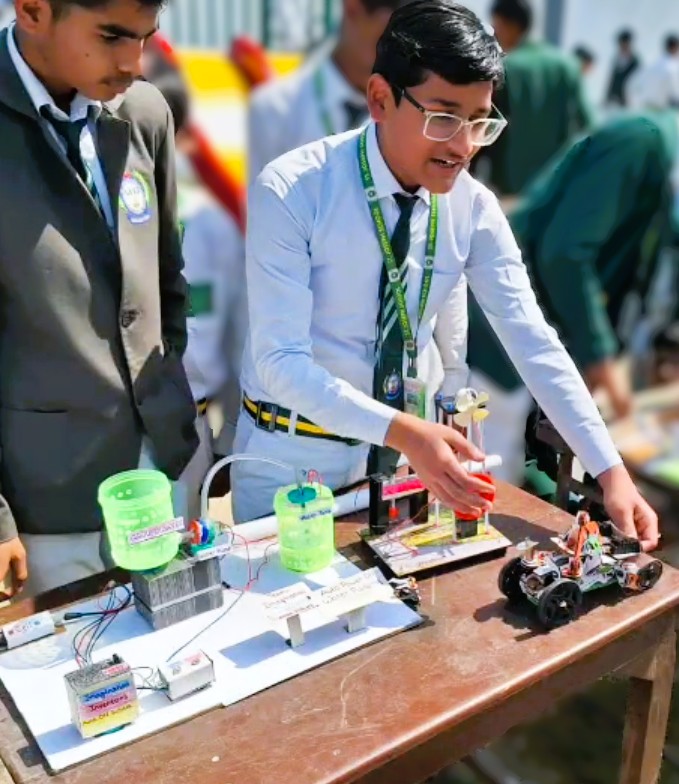
Exhibitions & Demonstrations
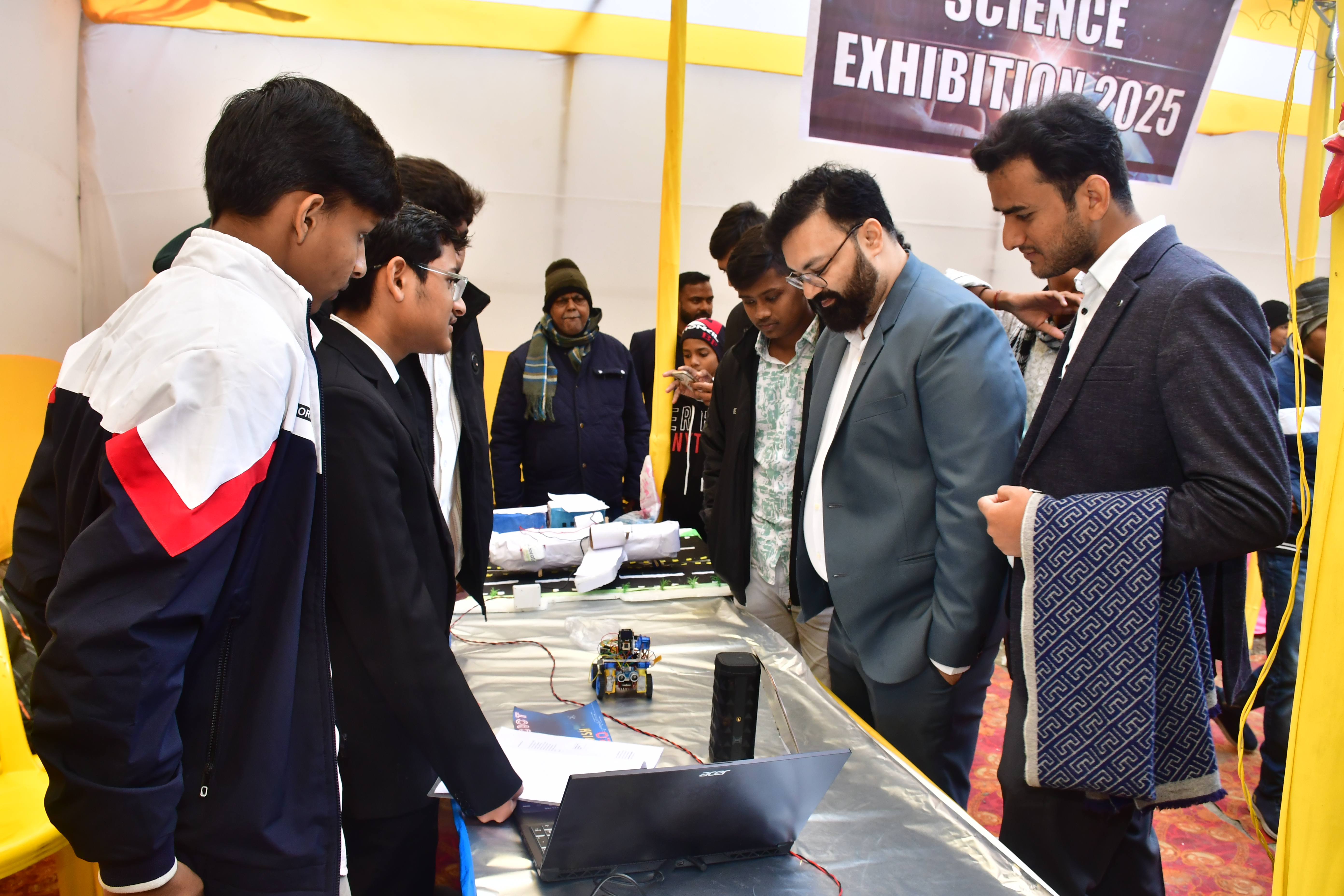
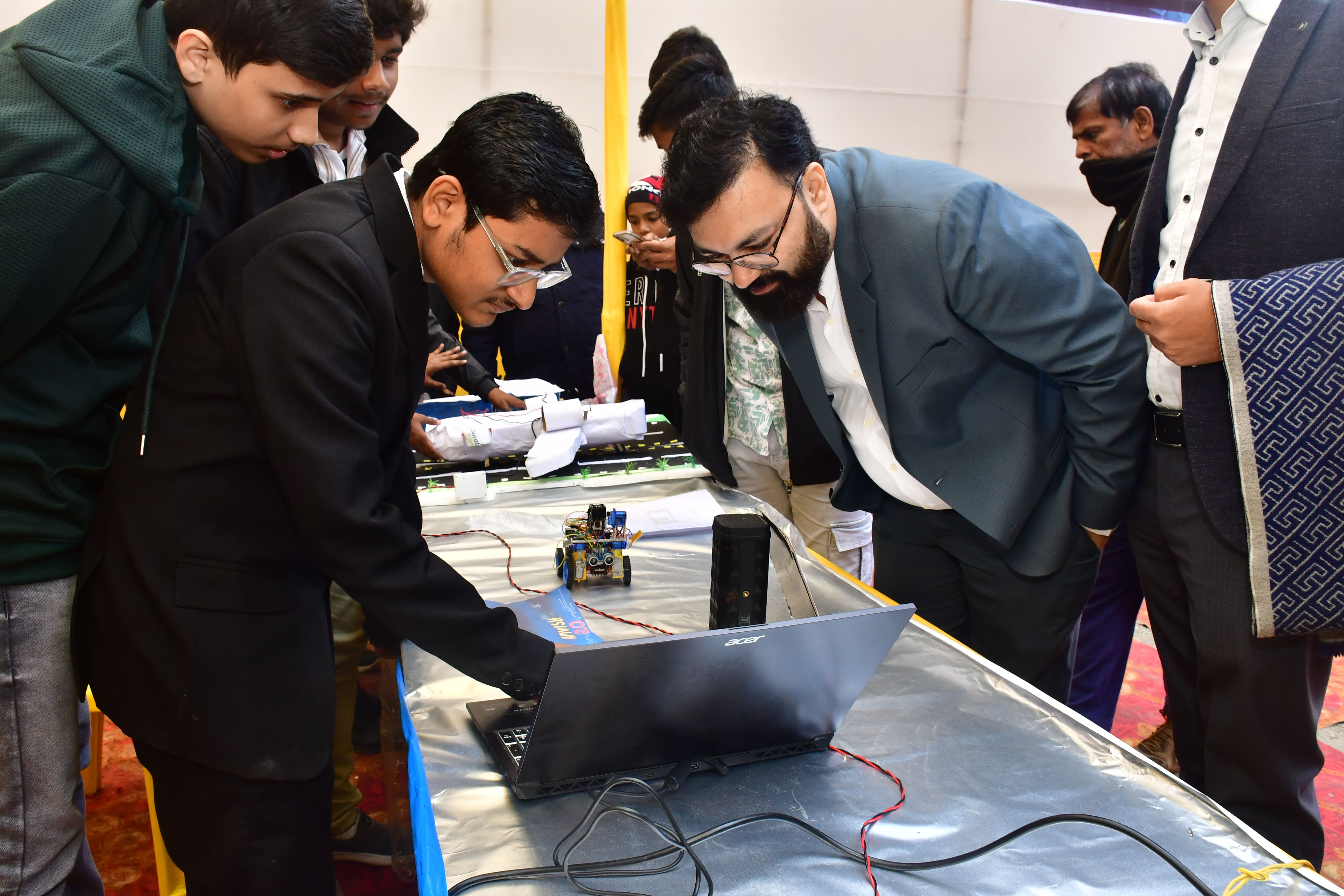
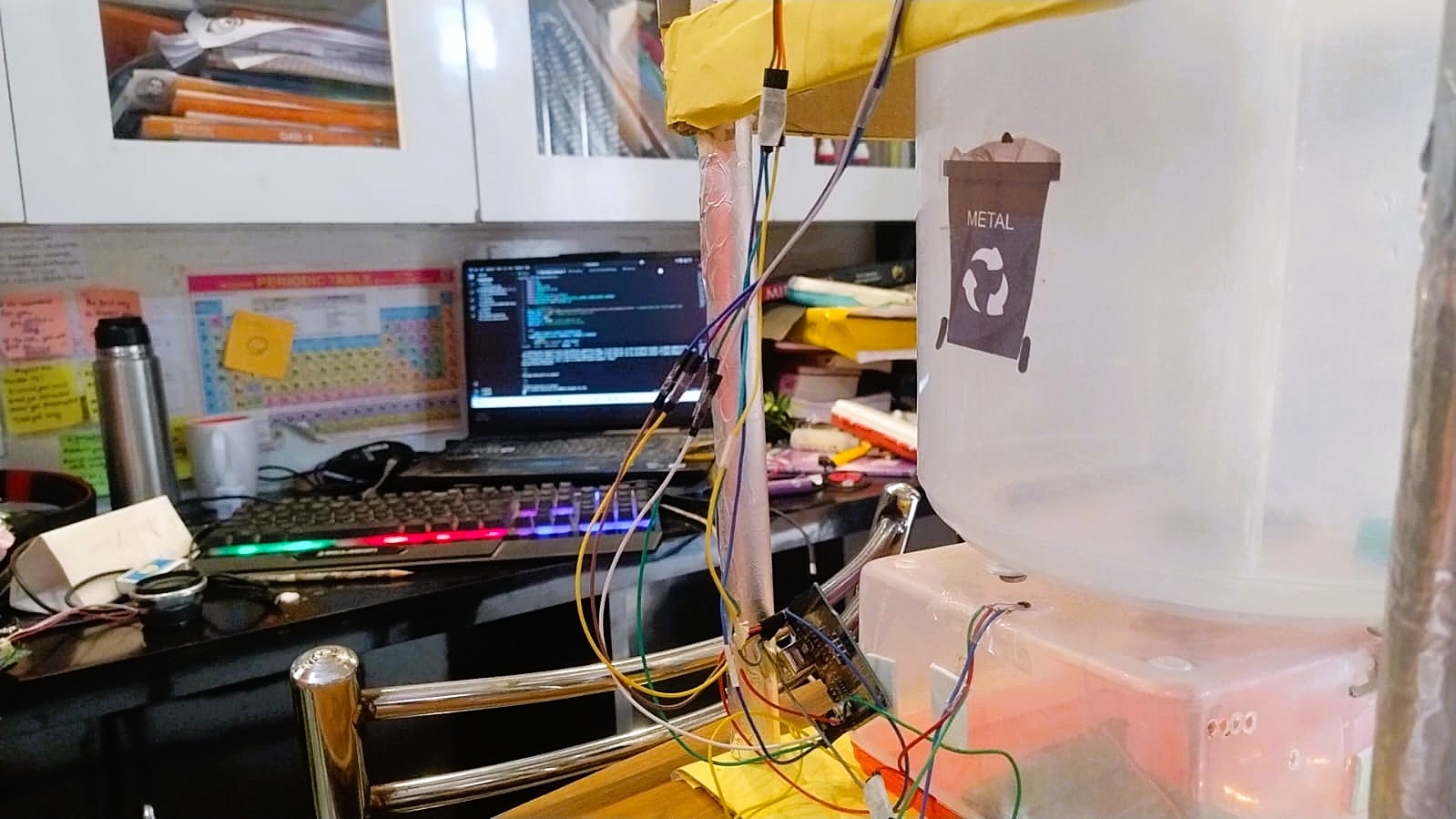
Origin of the Lab
Imagination Inventors began as an experimental engineering initiative focused on building real robotic systems rather than purely discussing ideas.
The earliest machines were small Arduino-based prototypes created to explore sensors, actuators, and machine interaction. Through iterative experimentation these prototypes gradually evolved into more sophisticated robotic systems.
Each project developed within the lab represents a step toward understanding how embedded intelligence and robotics can combine to form practical physical AI systems.
Selected Systems & Experiments
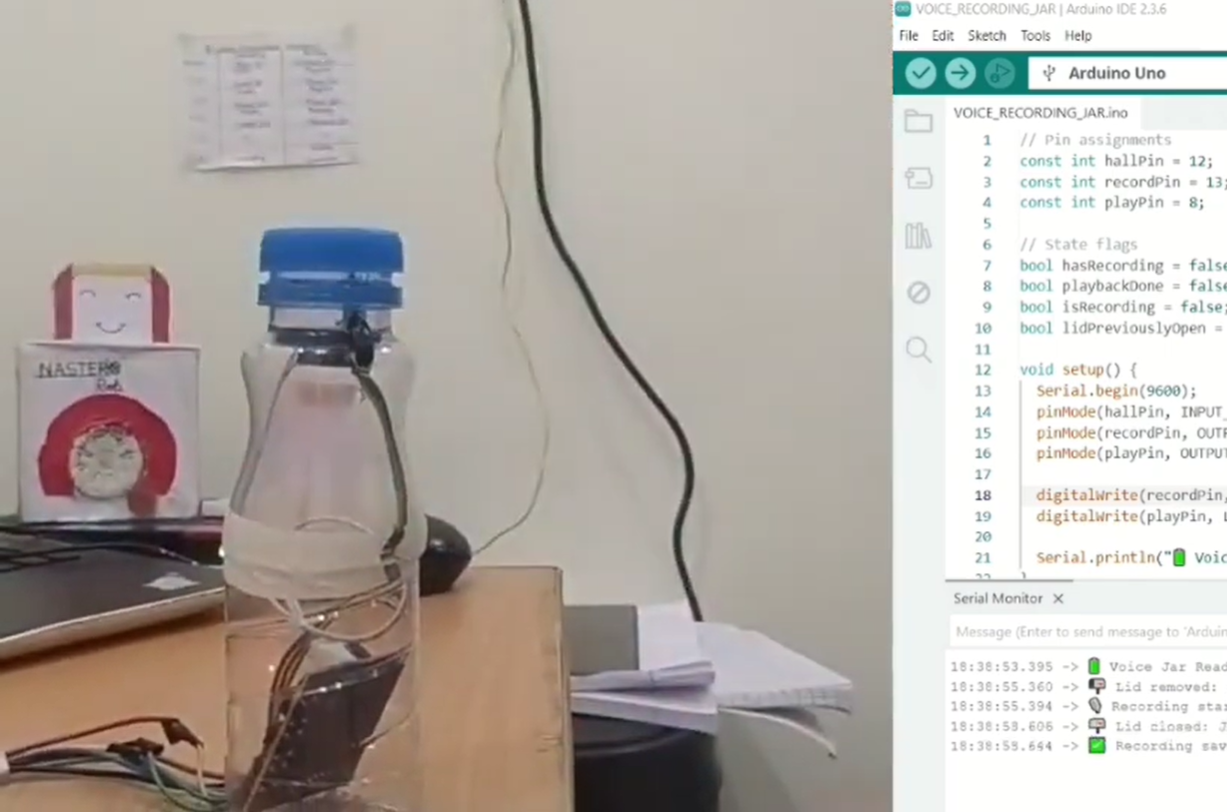
A collection of experimental systems exploring robotics, embedded intelligence, and real-world interaction.
Research Direction
The long-term goal is enabling intelligent machines to operate within real environments.
- Embedded AI systems
- Human–machine interaction
- Low-cost intelligent hardware
- Modular robotics
Building Machines That Think
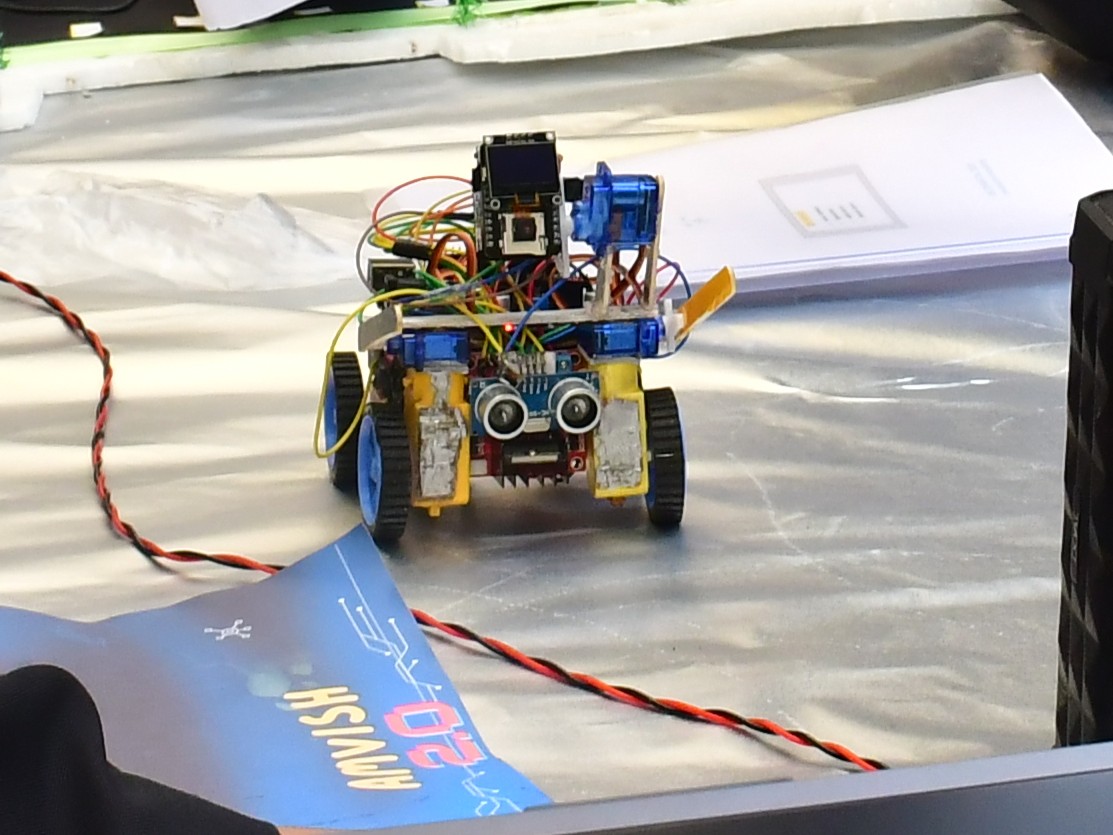
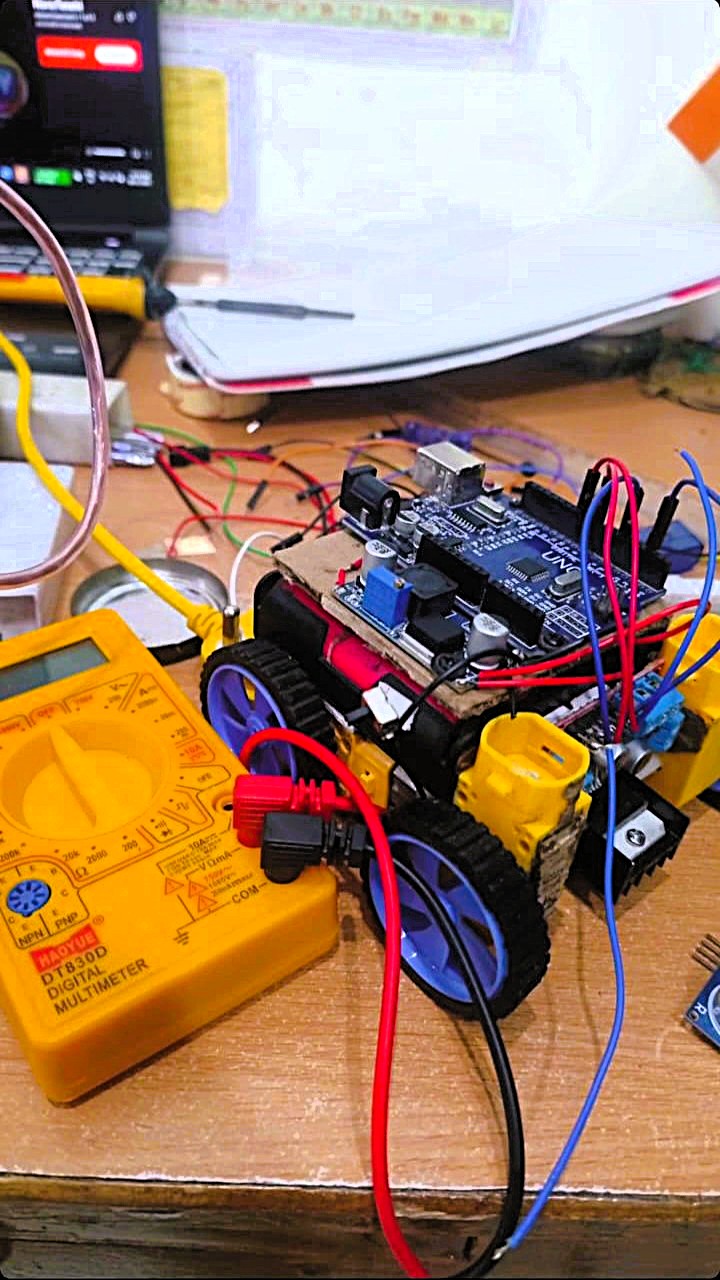
A visual capture of AmViSH_2.0 in operation.